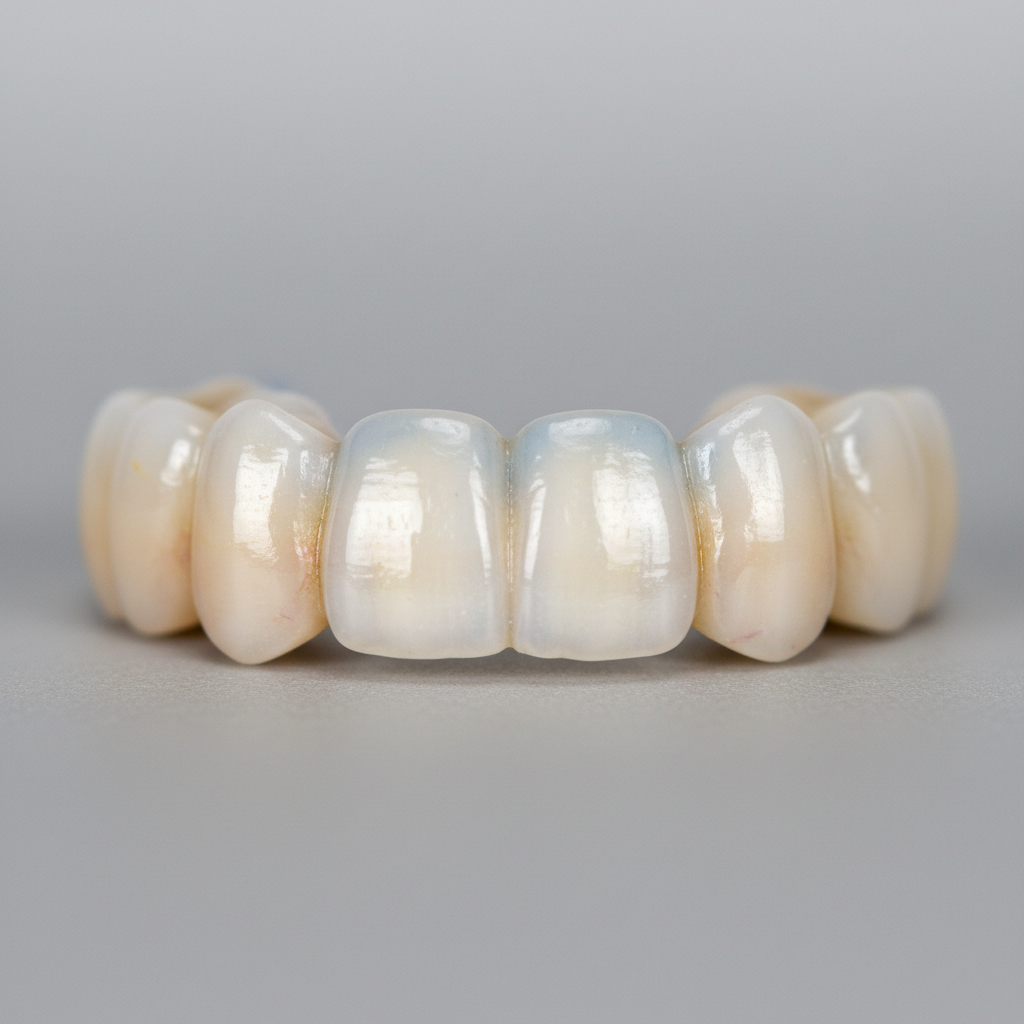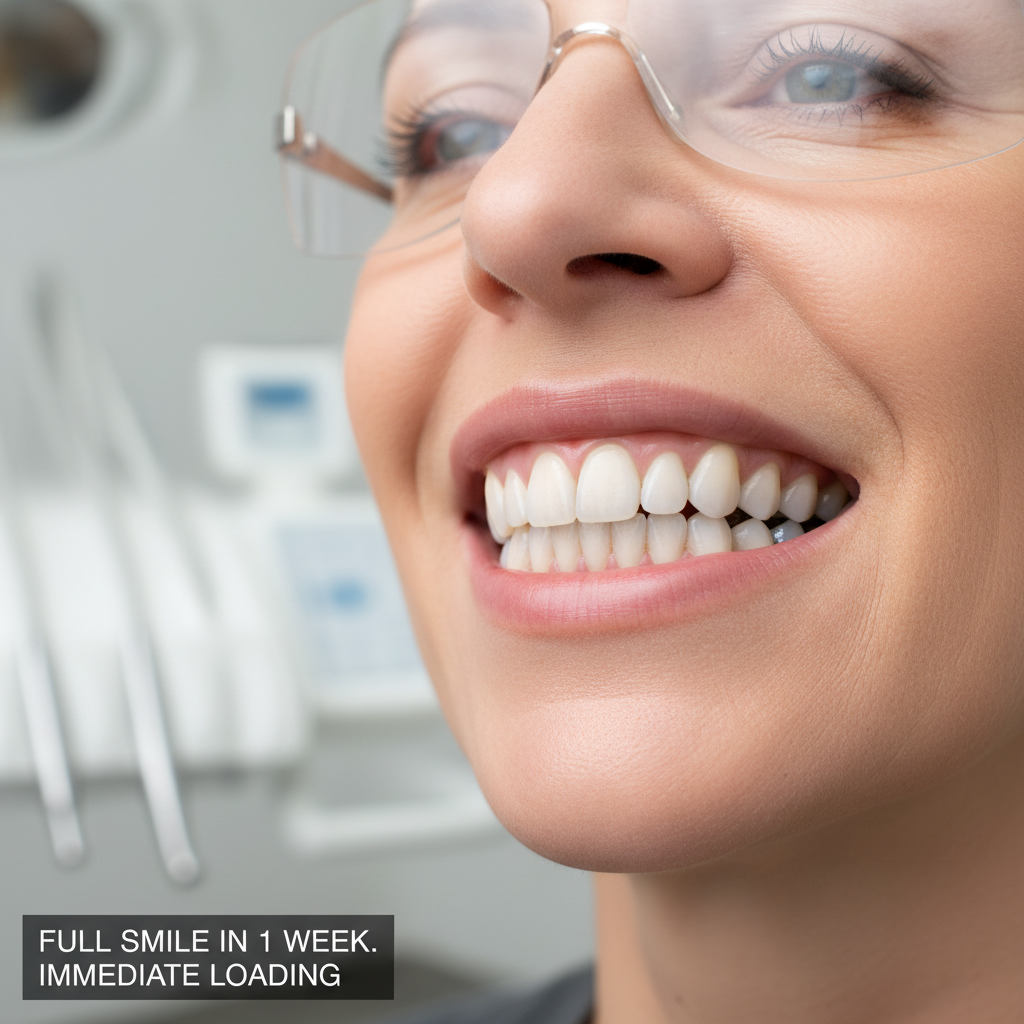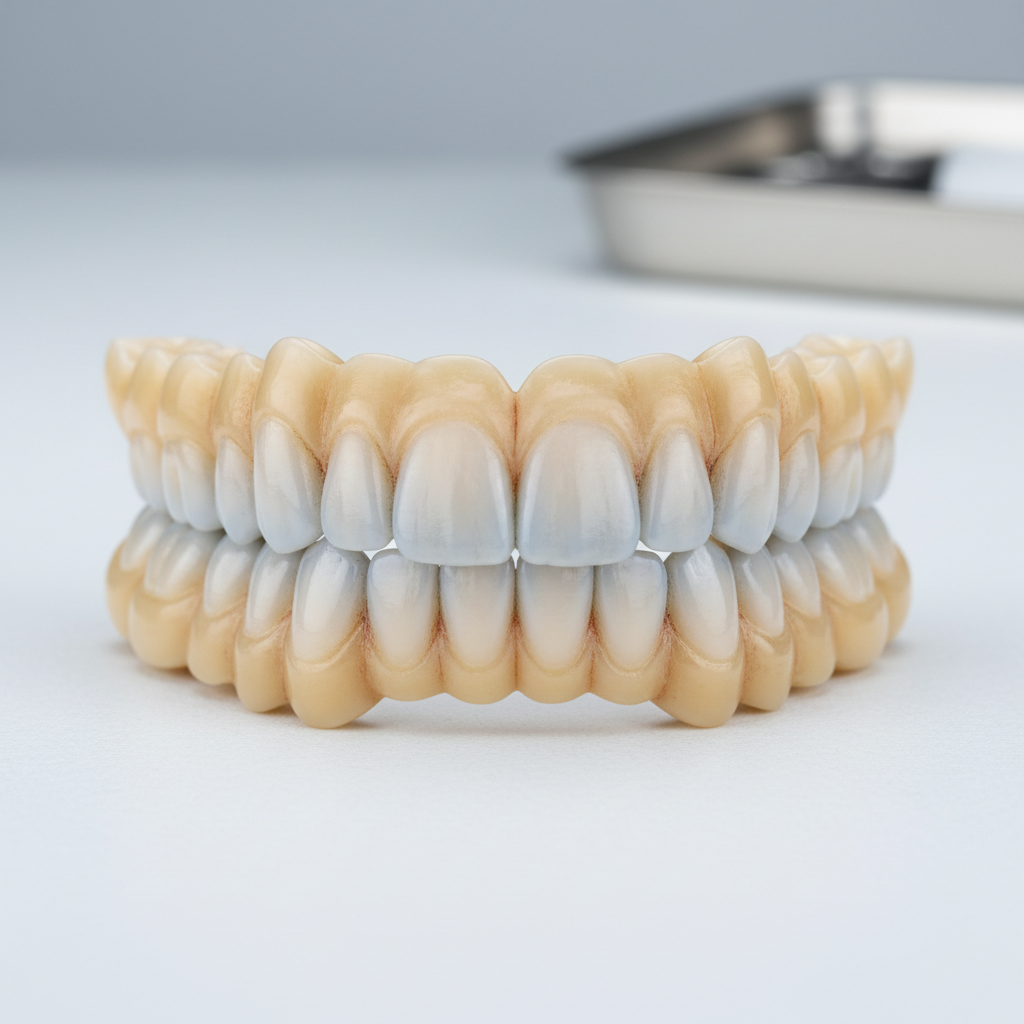

A tooth that needs a crown has usually been weakened — by decay, a crack, or a large filling.
A crown is a cap that fits over the entire visible portion of the tooth, restoring its shape, strength, and appearance.
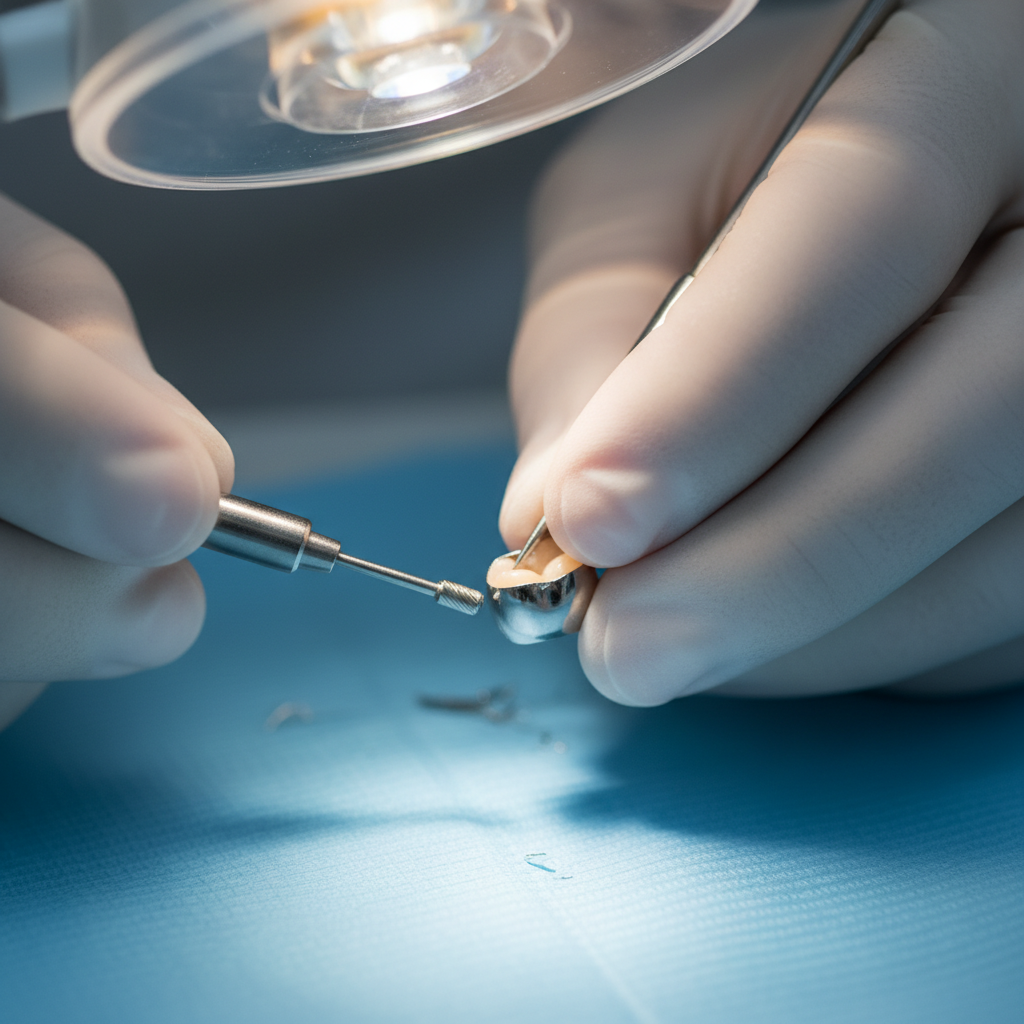
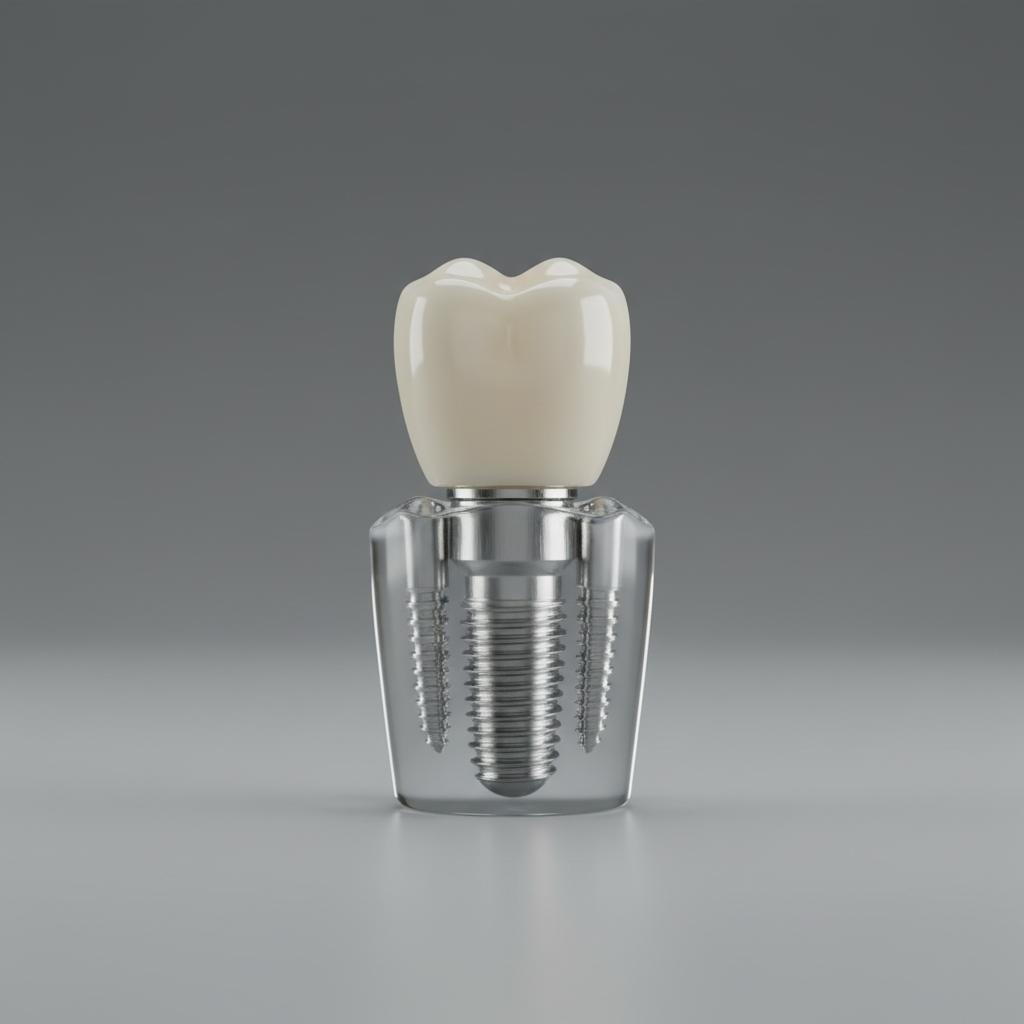
Left: weakened natural tooth. Right: crown seated over prepared tooth, protecting the root and pulp.
When more than 50% of a tooth's natural structure is compromised, a filling alone cannot provide enough support. The crown distributes biting forces evenly across the root, preventing the tooth from fracturing further. Modern zirconia and porcelain-fused-to-zirconia crowns are indistinguishable from natural enamel under normal lighting.
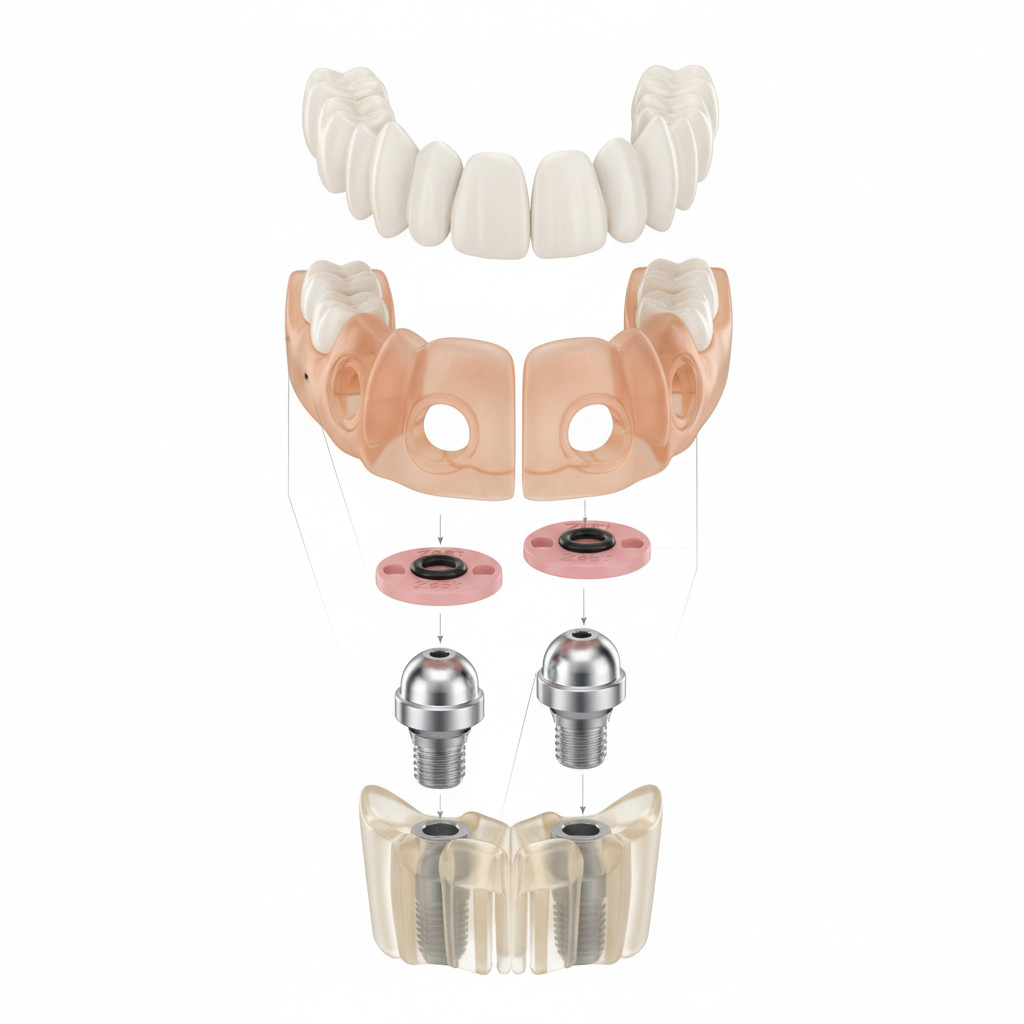
Treatment options compared
Step-by-step: what to expect
Consultation & X-ray
Digital X-rays confirm root health and bone density. Impression or scan taken.
Tooth preparation
Enamel is reduced by 1–2mm on all sides under local anesthetic. Temporary crown placed.
Lab fabrication
Your crown is milled or hand-crafted over 7–14 days to match your bite and shade.
Final seating
Temporary removed, permanent crown tried in, adjusted, and bonded with resin cement.
Follow-up
Bite check at 1 week. Crown integrates fully within 2–4 weeks as gum tissue settles.
Recovery milestones
- Mild sensitivity to temperature for 1–2 weeks — normal as gum tissue heals
- Avoid hard or sticky foods for 48 hours after final seating
- Sensitivity should resolve within 4 weeks; call if it worsens
- Floss carefully around the crown margin — plaque here causes the most long-term issues
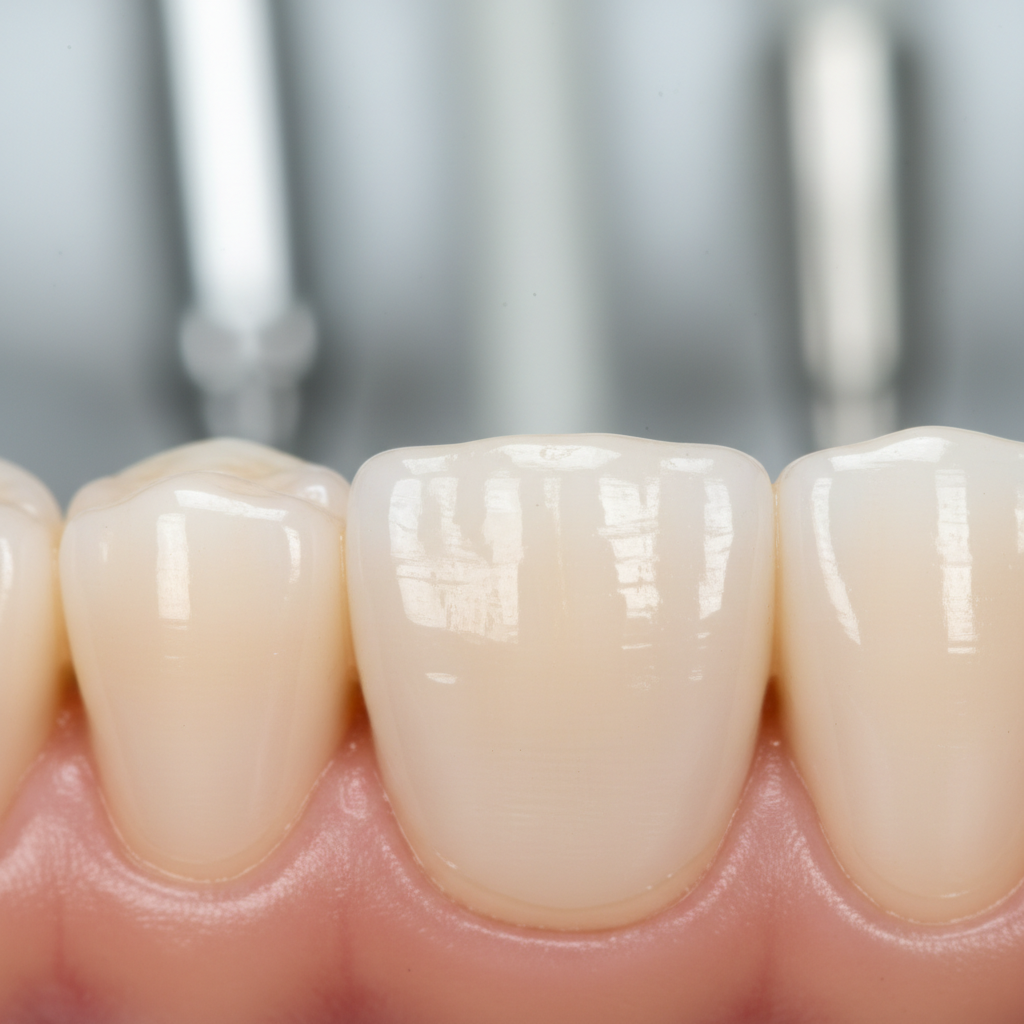
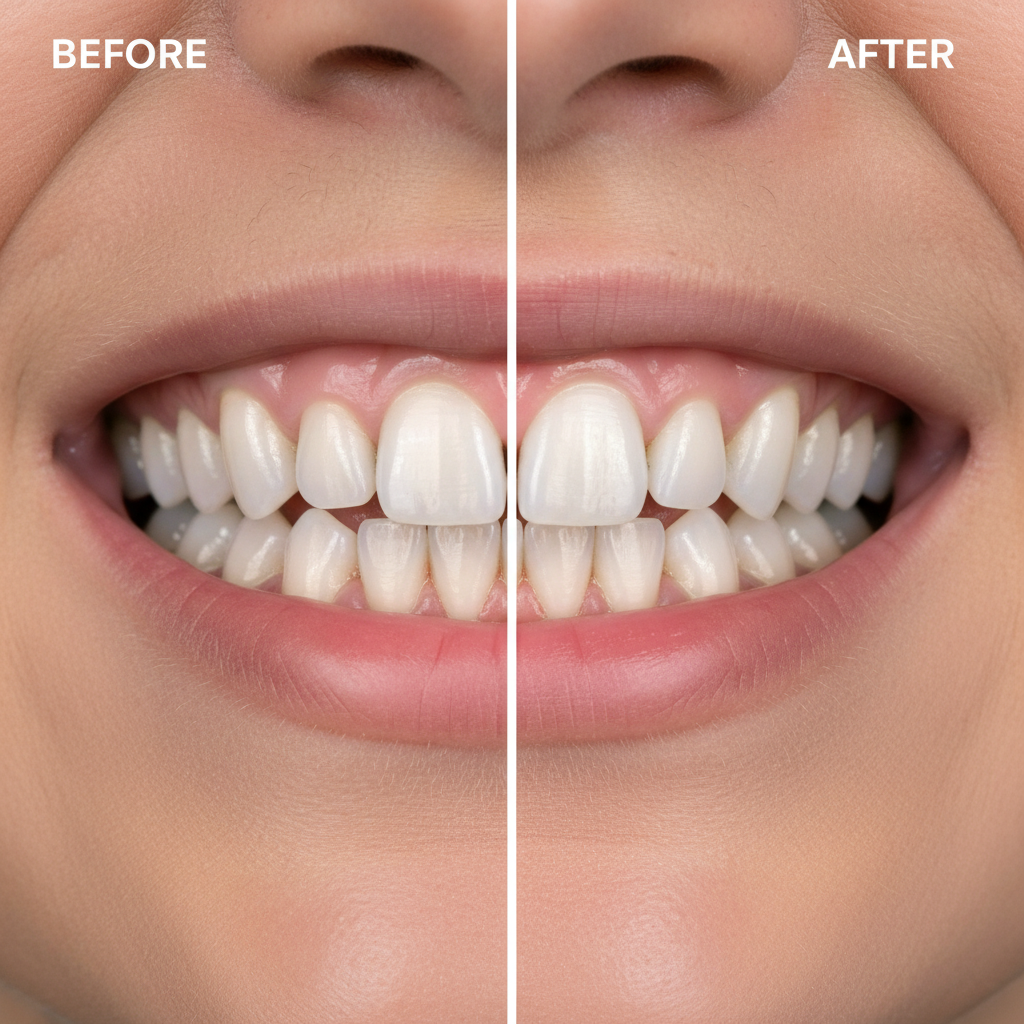
Patient: Jennifer M., 44. Cracked molar restored with all-zirconia crown. Photographed 6 weeks post-seating.